Remote Work and Mental Health: 7 Strategies to Keep Distributed Teams Thriving
March 26, 2026
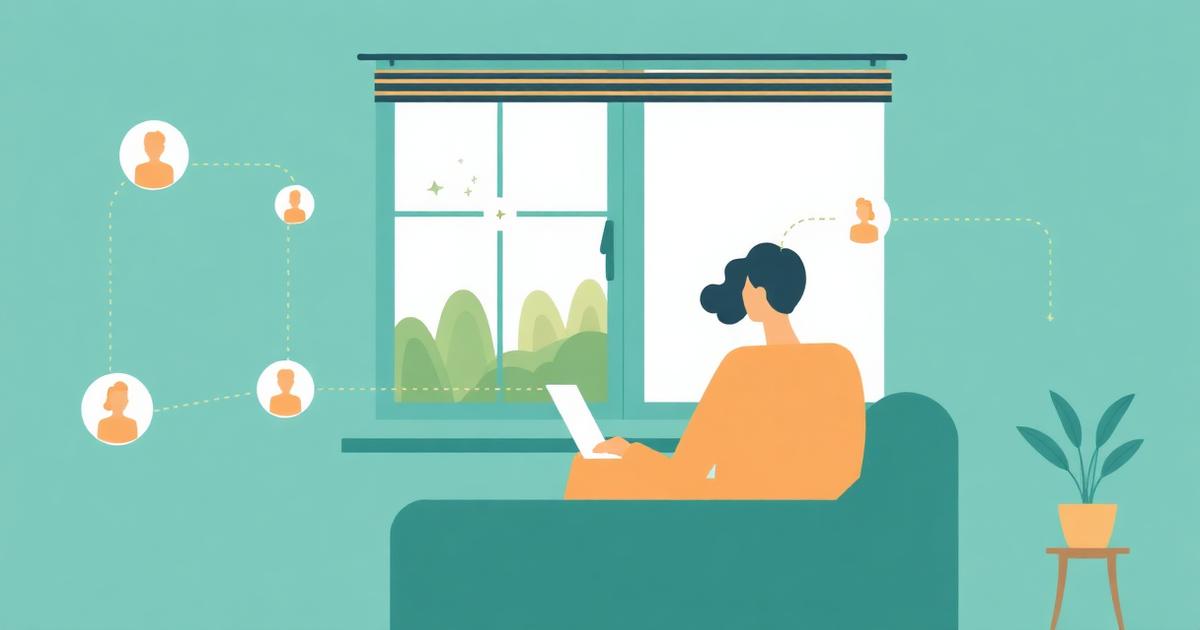
Remote work promised freedom. For many, it delivered isolation. Five years into the distributed work revolution, the mental health challenges of remote teams are no longer theoretical — they're an urgent operational reality.
67% of remote workers report feeling disconnected from colleagues (Buffer, 2024). Loneliness, boundary erosion, and digital fatigue are silently draining productivity and driving attrition. But the solution isn't forcing everyone back to the office. It's building intentional systems that protect wellbeing regardless of where people sit.
Here are seven evidence-based strategies that leading distributed organizations are using to keep their remote teams mentally healthy and high-performing.
Key Takeaways
- Remote workers are 2x more likely to experience loneliness than in-office peers — but they also report higher autonomy and satisfaction when properly supported.
- The biggest remote mental health risks are isolation, boundary blur, and digital presenteeism.
- Manager check-ins, asynchronous-first communication, and accessible mental health tools are the three highest-impact interventions.
- Traditional EAPs fail remote workers entirely — modern, digital-first platforms close the gap.
- The organizations winning at remote retention are the ones investing in wellbeing infrastructure, not surveillance software.
The Unique Mental Health Challenges of Remote Work
Before we solve the problem, we need to name it clearly. Remote work creates a distinct set of mental health stressors that don't exist — or exist differently — in office environments:
- Social isolation. No hallway conversations. No lunch with colleagues. The informal connections that sustain us simply don't happen organically.
- Boundary erosion. When your office is your bedroom, "logging off" becomes a psychological challenge, not just a physical one. This accelerates burnout faster than most leaders realize.
- Digital fatigue. Back-to-back video calls drain cognitive energy at rates that in-person meetings don't. "Zoom fatigue" is now a clinically studied phenomenon.
- Invisibility. Remote workers often feel like their struggles go unnoticed. When a manager can't see someone's body language shift, early warning signs get missed entirely.
- Neurodivergent amplification. For employees with ADHD or other neurodivergent conditions, remote work can be both a gift (fewer sensory distractions) and a challenge (less external structure).
Strategy 1: Normalize Mental Health Check-Ins in Every 1:1
The most powerful remote wellbeing intervention costs nothing: ask how people are actually doing.
Add a standing wellbeing question to every 1:1 meeting. Not a checkbox — a genuine, open-ended inquiry. "How are you doing — not just with work, but in general?" This one practice, done consistently, dramatically reduces the feeling of invisibility that remote workers report.
For managers who feel unsure about these conversations, our manager's guide to mental health conversations provides a practical 4-step framework that requires zero clinical training.
Strategy 2: Default to Asynchronous Communication
Synchronous overload is one of the fastest paths to remote burnout. When every update requires a meeting, remote workers spend their entire day on calls and their evenings catching up on actual work.
The fix:
- Make async the default. If it can be a Loom video, a Slack thread, or a doc comment, it shouldn't be a meeting.
- Protect "deep work" blocks. Encourage calendar blocking for focused, uninterrupted time.
- Set communication norms. Define expected response times so employees don't feel pressured to be "always on."
- Record important meetings for those in different time zones or energy cycles.
Teams that shift to async-first communication report 30% fewer meetings and measurably lower stress levels.
Strategy 3: Provide Digital-First Mental Health Resources
Here's where most organizations fail remote workers completely. Traditional EAPs — built around in-person counseling and 1-800 numbers — are fundamentally incompatible with how remote employees live and work.
If your mental health "benefit" requires someone to find a provider, make a phone call during business hours, and physically show up somewhere, you've already lost. Modern wellness platforms solve this by meeting employees where they already are: on their devices, on their schedule, with no gatekeeping.
SoulSync, for example, provides on-demand access to guided wellbeing tools, coaching, and resources that remote employees can access from anywhere — without stigma, without waiting lists, and without needing to explain themselves to a stranger on a phone.
Strategy 4: Create Virtual Rituals That Build Connection
You can't replicate the office watercooler. But you can build new rituals that serve the same purpose — reducing isolation and creating belonging:
- Virtual coffee roulette. Randomly pair team members for 15-minute non-work conversations weekly.
- Team wellness moments. Start one meeting per week with a 2-minute breathwork or gratitude exercise.
- Interest-based Slack channels. #pets, #cooking, #running — low-effort, high-connection spaces.
- Quarterly off-sites. If budget allows, in-person gatherings (even just once a quarter) have outsized impact on trust and connection.
The goal isn't to manufacture fun. It's to create consistent, low-pressure touchpoints that remind people they're part of something bigger than their home office.
Strategy 5: Train Managers to Spot Remote Warning Signs
In an office, you can see when someone's struggling. Remotely, the signals are different — and easier to miss:
- Camera always off (when it used to be on)
- Shorter, more transactional messages
- Declining meeting attendance or engagement
- Working at odd hours consistently
- Missed deadlines from previously reliable team members
Train managers to notice these patterns and respond with curiosity, not judgment. A simple "I've noticed you seem a bit different lately — everything okay?" can be the lifeline someone didn't know they needed.
Building this competency across your leadership team is a core part of creating a mental health-first workplace culture that works across geographies.
Strategy 6: Set Boundaries as Policy, Not Just Advice
Telling remote workers to "set boundaries" while sending emails at 11pm is performative. Boundaries need to be systemic:
- No-meeting days. At least one per week. Protect it fiercely.
- Right-to-disconnect policies. No expectation of responses outside working hours.
- PTO that's actually taken. Remote workers take 20% fewer vacation days than office workers. Normalize — and even mandate — time off.
- Workload audits. Regularly assess whether individuals are carrying unsustainable loads.
When boundaries are cultural rather than individual, they actually stick. And they directly reduce the presenteeism that quietly destroys remote team productivity.
Strategy 7: Measure Wellbeing, Not Just Output
What gets measured gets managed. Most remote organizations track productivity religiously but wellbeing never. Flip the script:
- Pulse surveys. Short, anonymous, monthly. Track sentiment trends over time.
- Engagement analytics. Use your wellness platform's data to understand adoption and identify at-risk teams.
- Retention correlation. Map wellbeing scores against attrition. The pattern will be unmistakable.
- Manager scorecards. Include team wellbeing metrics alongside performance metrics in manager evaluations.
For a detailed framework on connecting wellbeing data to business outcomes, see our guide on measuring employee wellness ROI.
Why This Matters More Than Ever
Remote work isn't going away. According to McKinsey, 58% of Americans can work remotely at least one day per week, and the majority want to. The organizations that thrive will be the ones that stop treating remote mental health as an afterthought and start treating it as infrastructure.
The cost of getting it wrong is steep: higher turnover, lower engagement, and a talent brand that repels the very people you're trying to attract. As we explored in our piece on the business case for mental health investment, the ROI of getting it right is overwhelming.
Your remote employees don't need surveillance software. They don't need mandatory fun. They need to know that someone sees them, that support is accessible, and that their wellbeing matters as much as their output.
Looking for a proactive EAP alternative for your team? Book a SoulSync demo and discover how we help distributed teams stay connected, supported, and thriving — no matter where they work.
Keep Reading



Get insights like this delivered to your inbox
Join HR leaders and wellness advocates receiving evidence-based workplace mental health insights.