The Hidden Cost of Presenteeism: Why Showing Up Isn't Enough
March 26, 2026
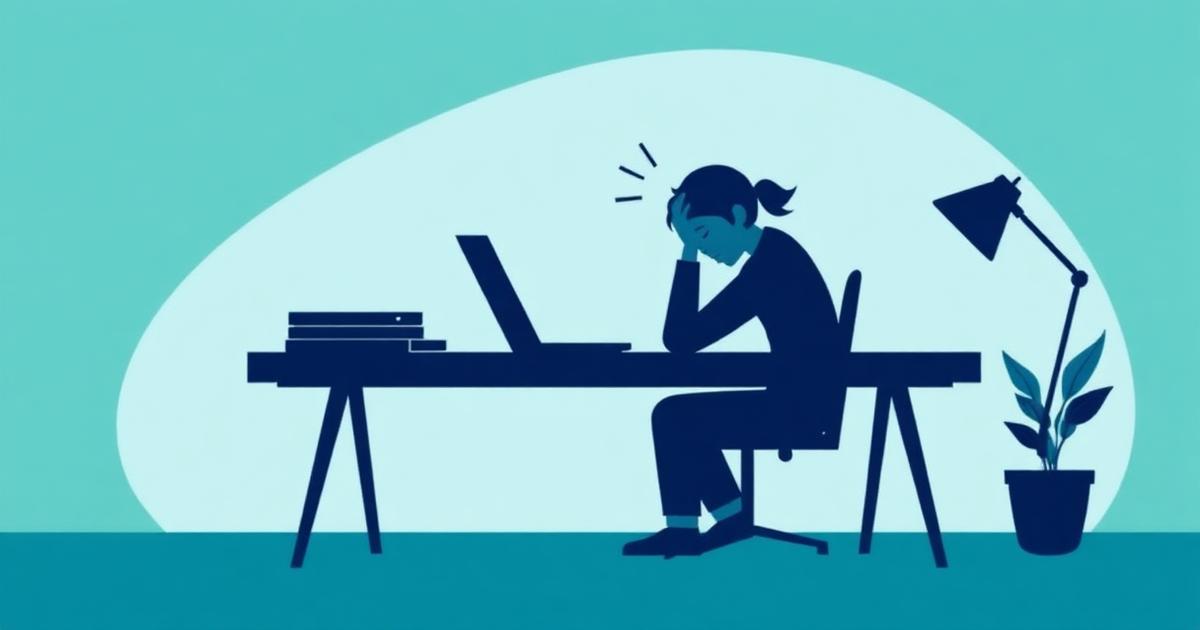
Every manager has seen it: an employee is at their desk, logged in, technically "working" — but producing a fraction of what they normally would. They're not sick enough to call out, but they're far from okay. This is presenteeism, and it's quietly draining your company's productivity, morale, and bottom line.
While most organizations obsess over absenteeism, research consistently shows that presenteeism costs employers up to 10 times more. Here's what HR leaders need to know — and what you can actually do about it.
Key Takeaways
- Presenteeism costs U.S. employers an estimated $150 billion annually — far exceeding absenteeism costs
- Mental health conditions, chronic stress, and burnout are the leading drivers
- Traditional EAPs are poorly equipped to address presenteeism because they only activate in crisis
- Proactive, preventive wellness programs are the most effective countermeasure
What Is Presenteeism, Exactly?
Presenteeism occurs when employees come to work despite physical or mental health issues that prevent them from being fully productive. Unlike absenteeism — which is visible and trackable — presenteeism hides in plain sight.
Common causes include:
- Chronic stress and anxiety — the #1 driver, affecting concentration and decision-making
- Depression — reduces cognitive function by up to 35%
- Burnout — emotional exhaustion that compounds over months
- Neurodivergent challenges — employees with ADHD in unsupportive environments may mask symptoms rather than seek help
- Chronic pain or illness — physical conditions that don't warrant a sick day but impair performance
- Caregiving stress — juggling work and family responsibilities without adequate support
The Real Numbers: Why Presenteeism Costs More Than You Think
The data is striking:
- $150 billion/year — estimated annual cost of presenteeism to U.S. employers (American Productivity Audit)
- 57.5 days/year — average productive time lost per employee due to presenteeism
- 3:1 ratio — for every $1 lost to absenteeism, $3 is lost to presenteeism
- 89% — of employees report working while feeling unwell at least once per year
For a 50-person company, even conservative estimates put the annual presenteeism cost at $100,000–$250,000 in lost productivity. That's money being silently burned with no line item on any P&L statement.
Why Traditional Approaches Fail
Most organizations address presenteeism reactively — if they address it at all. Here's why common approaches fall short:
EAPs Don't Catch It
Employee Assistance Programs are designed for crisis intervention. An employee struggling with low-grade anxiety or chronic stress won't call an EAP hotline — they'll just push through. With EAP utilization rates of just 3–5%, the vast majority of presenteeism goes completely unaddressed.
Sick Day Policies Miss the Point
Generous PTO doesn't solve presenteeism because the issue isn't that employees can't take time off — it's that they don't feel their situation "qualifies." Mental health stigma and workplace culture often make employees feel they need a "real" reason to be absent.
Wellness Perks Don't Go Deep Enough
Free gym memberships and fruit bowls are nice, but they don't address the root causes. Presenteeism driven by anxiety, burnout, or neurodivergent challenges requires clinical-grade support — not perks.
How to Identify Presenteeism in Your Organization
Since presenteeism is invisible by nature, HR leaders need to look for indirect signals:
- Declining output quality — more errors, missed deadlines, or reduced creative contribution
- Increased "quiet time" — employees who stop contributing in meetings or on Slack
- Engagement survey dips — drops in scores around energy, motivation, or purpose
- Manager observations — "They're here every day, but something's off"
- Spike in minor health complaints — headaches, fatigue, digestive issues often signal chronic stress
The key insight: presenteeism is a pattern, not a single event. It develops gradually and worsens over time without intervention.
A Proactive Framework for Reducing Presenteeism
The most effective approach treats presenteeism as a systemic challenge, not an individual failing.
1. Normalize Mental Health Conversations
When leadership openly discusses mental health, employees feel safer acknowledging their struggles before they become crises. This cultural shift is foundational — without it, no program will achieve full impact.
2. Provide Preventive, Always-On Support
Instead of waiting for employees to reach a breaking point, offer tools they can access anytime:
- Self-guided stress management and mindfulness resources
- Peer support networks and coaching
- Low-barrier access to professional counseling
- Neurodiversity-inclusive accommodations and tools
This is where modern wellness platforms dramatically outperform traditional EAPs. By meeting employees where they are — before crisis — they address the conditions that drive presenteeism.
3. Train Managers to Recognize the Signs
Managers are your frontline sensors. Equip them to:
- Notice behavioral changes without diagnosing
- Have supportive check-in conversations
- Connect team members to available resources
- Model healthy boundaries themselves
4. Measure What Matters
You can't manage what you don't measure. Build presenteeism indicators into your wellness ROI framework:
- Track self-reported productivity scores in pulse surveys
- Monitor engagement platform utilization as a leading indicator
- Compare output quality metrics before and after program implementation
5. Design Work for Sustainability
Sometimes presenteeism is a symptom of unsustainable workload design. Remote and hybrid teams are especially vulnerable to "always on" culture. Consider:
- Realistic workload assessments
- Protected focus time blocks
- Asynchronous communication norms
- Regular capacity check-ins
The Business Case for Action
Let's make this tangible. For a midsize company of 200 employees:
| Metric | Conservative Estimate |
|---|---|
| Average salary | $65,000 |
| Productivity lost to presenteeism | 15% |
| Employees affected | 30% (60 people) |
| Annual presenteeism cost | $585,000 |
| Reduction with proactive wellness program | 25% |
| Annual savings | $146,250 |
Even a 25% reduction in presenteeism delivers six-figure savings — far exceeding the cost of most wellness platforms. For small businesses, the math is equally compelling at scale.
The Cultural Shift That Makes It Stick
Technology and programs alone won't eliminate presenteeism. The organizations seeing the biggest impact are those building what we call a "mental health-first" culture — one where:
- Taking a mental health day is as normal as taking a sick day
- Leaders model vulnerability and boundary-setting
- Performance is measured by outcomes, not hours logged
- Support is proactive, not reactive
This isn't soft or idealistic — it's the most pragmatic approach to protecting your company's most expensive asset: your people's cognitive capacity.
The Bottom Line
Presenteeism is the silent productivity killer hiding in every organization. It costs more than absenteeism, affects more employees, and is harder to detect. But it's also highly addressable with the right combination of culture, tools, and measurement.
The companies that win the talent war in 2026 won't be the ones offering the most perks — they'll be the ones creating environments where employees can actually bring their full selves to work.
Looking for a proactive EAP alternative for your team? Book a SoulSync demo and discover how preventive wellness support reduces presenteeism and drives real ROI.
Keep Reading



Get insights like this delivered to your inbox
Join HR leaders and wellness advocates receiving evidence-based workplace mental health insights.