EAP vs. Modern Wellness Platform: Which Is Right for Your Team?
March 23, 2026
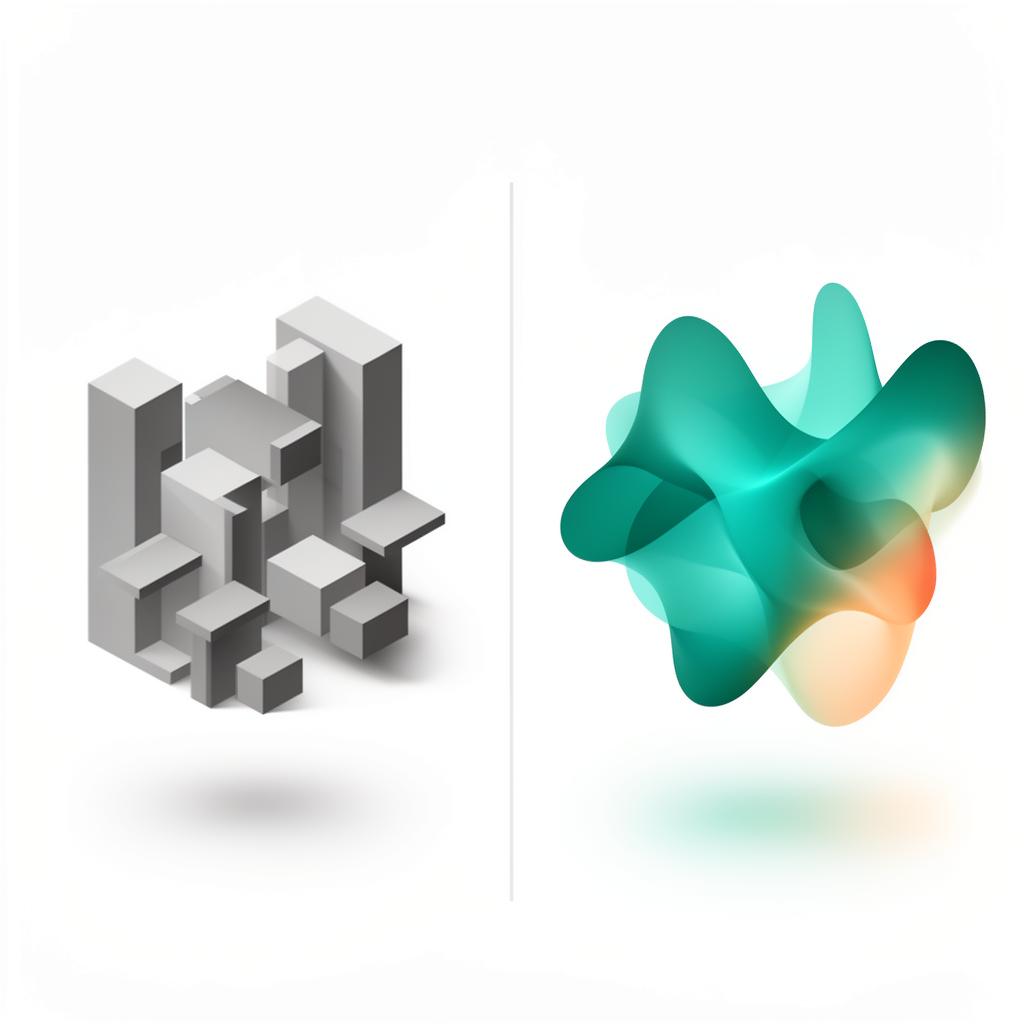
If you're an HR leader evaluating employee mental health solutions, you've likely faced this question: stick with the traditional Employee Assistance Program (EAP), or invest in a modern wellness platform?
The answer isn't always straightforward. Both models serve a purpose — but they serve very different purposes. This guide gives you a practical framework for deciding which approach fits your team, your budget, and your culture goals.
The Core Difference: Reactive vs. Proactive
Traditional EAPs were designed as crisis-intervention tools. An employee hits a breaking point, calls a 1-800 number, and gets a handful of therapy sessions. The model is reactive by design — it waits for problems to surface before offering help.
Modern wellness platforms flip that model. They use continuous engagement, AI-driven insights, and whole-person support to prevent burnout, strengthen resilience, and surface risk signals before they become crises. Think of it as the difference between an emergency room and a primary care physician.
Neither model is inherently "wrong" — but the right choice depends on what your team actually needs.
Decision Framework: 6 Factors That Matter
Use this framework to evaluate which model aligns with your organization's reality.
1. Team Size and Structure
| Factor | Traditional EAP | Modern Platform |
|---|---|---|
| Best for | Large enterprises (500+) with existing HR infrastructure | SMBs and midsize teams (10–500) without dedicated wellness staff |
| Remote support | Limited — often requires in-person or phone-based sessions | Async-first, timezone-agnostic, designed for distributed teams |
| Onboarding | Minimal — typically a poster in the breakroom | Guided onboarding, manager enablement, ongoing engagement |
If your team is under 500 employees or has remote/hybrid workers, a modern platform is almost always the better fit. Traditional EAPs were built for large, centralized workforces.
2. Utilization and Engagement
This is the most telling metric. Industry data consistently shows:
- Traditional EAP utilization: 3–5% of eligible employees
- Modern platform engagement: 40–60% monthly active users
Why the gap? EAPs require employees to self-identify as "having a problem" and proactively seek help — a massive psychological barrier. Modern platforms embed wellness into daily work rhythms through pulse checks, micro-learning, guided exercises, and peer support, making engagement feel natural rather than clinical.
If your current EAP utilization is below 10%, you're paying for a benefit almost no one uses. That's not a vendor problem — it's a model problem.
3. Data and Visibility
| Capability | Traditional EAP | Modern Platform |
|---|---|---|
| Real-time dashboards | No — quarterly or annual reports at best | Yes — live team wellness scores, trend analysis |
| Burnout early warning | No | Yes — AI flags at-risk individuals and teams |
| ROI measurement | Difficult — limited to session counts | Clear — ties engagement to retention, absenteeism, productivity |
| Manager insights | None | Anonymized team-level signals and recommended actions |
If you need to report wellness ROI to leadership or make data-informed decisions about culture investments, a modern platform gives you the visibility that EAPs simply can't. For more on measurement, see our data-driven ROI framework.
4. Scope of Support
Traditional EAPs focus narrowly on clinical counseling — typically 3–6 sessions for acute issues like substance abuse, grief, or marital problems. That's valuable, but it misses the broader spectrum of employee wellbeing.
Modern platforms take a whole-person approach:
- Mind: Stress management, mindfulness, cognitive resilience
- Body: Sleep hygiene, movement, nutrition guidance
- Relationships: Communication skills, conflict resolution, belonging
- Work: Burnout prevention, boundary setting, focus techniques
- Leadership: Manager training, psychological safety, team culture
This matters because most workplace mental health issues aren't clinical crises — they're chronic, low-grade stressors like poor sleep, isolation, unclear expectations, and feeling unsupported. An EAP can't address what it can't see.
5. Cost Structure
| Cost Factor | Traditional EAP | Modern Platform |
|---|---|---|
| Pricing model | Per-employee-per-month (PEPM), often bundled into benefits | PEPM, transparent, no hidden fees |
| Typical cost | $1–3 PEPM | $4–8 PEPM |
| Cost per engaged user | $40–100/month (at 3–5% utilization) | $8–15/month (at 40–60% utilization) |
| Hidden costs | Turnover, presenteeism, claims — often 10–25× the EAP fee | Significantly reduced through proactive intervention |
The sticker price of an EAP looks cheaper — but when you calculate cost per engaged employee, modern platforms deliver dramatically better value. And when you factor in the hidden costs of presenteeism and turnover that EAPs fail to prevent, the total cost of inaction far exceeds the investment in proactive wellness.
6. Culture Signal
This is the factor HR leaders often underestimate. Your wellness benefit sends a message about what your organization values.
An EAP says: "If you're struggling, here's a number to call."
A modern wellness platform says: "We invest in your wellbeing every day, not just when things go wrong."
For organizations competing for talent — especially among millennials and Gen Z who prioritize mental health support — the cultural signal matters as much as the clinical offering. Building a mental health-first culture starts with the tools you choose.
When a Traditional EAP Still Makes Sense
To be fair, there are scenarios where keeping a traditional EAP is the right call:
- Legal or contractual requirements mandate EAP coverage
- Your organization already has robust internal wellness programming and just needs a clinical referral backstop
- You're a large enterprise with an existing high-utilization EAP (rare, but it happens)
Even in these cases, many organizations are adopting a hybrid model: keeping a streamlined EAP for crisis referrals while layering a modern platform on top for daily engagement and prevention.
When to Switch to a Modern Platform
Consider making the move if any of these apply:
- Your EAP utilization is below 10%
- You can't report wellness ROI to leadership
- Employees don't know your EAP exists (or won't use it due to stigma)
- You're losing talent to competitors with better wellbeing benefits
- Your team is remote, hybrid, or distributed across timezones
- You want to prevent burnout, not just respond to it
If three or more of these resonate, a modern platform isn't just a nice-to-have — it's a strategic upgrade. For a deeper dive into what makes EAPs fall short, read our full EAP comparison.
Making the Business Case
When presenting this decision to leadership, frame it around three outcomes:
- Engagement lift: Moving from 3–5% to 40–60% utilization means your wellness investment actually reaches the people it's meant to help
- Retention impact: Companies with strong wellness programs see 25–40% lower voluntary turnover — and replacing an employee costs 50–200% of their salary
- Risk reduction: AI-powered early warning systems catch burnout signals weeks before they become resignations or disability claims
The question isn't whether you can afford a modern wellness platform. It's whether you can afford to keep paying for a benefit that 95% of your team will never use.
Next Steps
Ready to see what a modern approach looks like in practice? Book a free 30-minute demo and we'll walk you through how SoulSync compares to your current EAP — with real data, not sales pitches.
Keep Reading



Get insights like this delivered to your inbox
Join HR leaders and wellness advocates receiving evidence-based workplace mental health insights.