Psychological Safety at Work: A Practical Guide for Managers
September 5, 2026
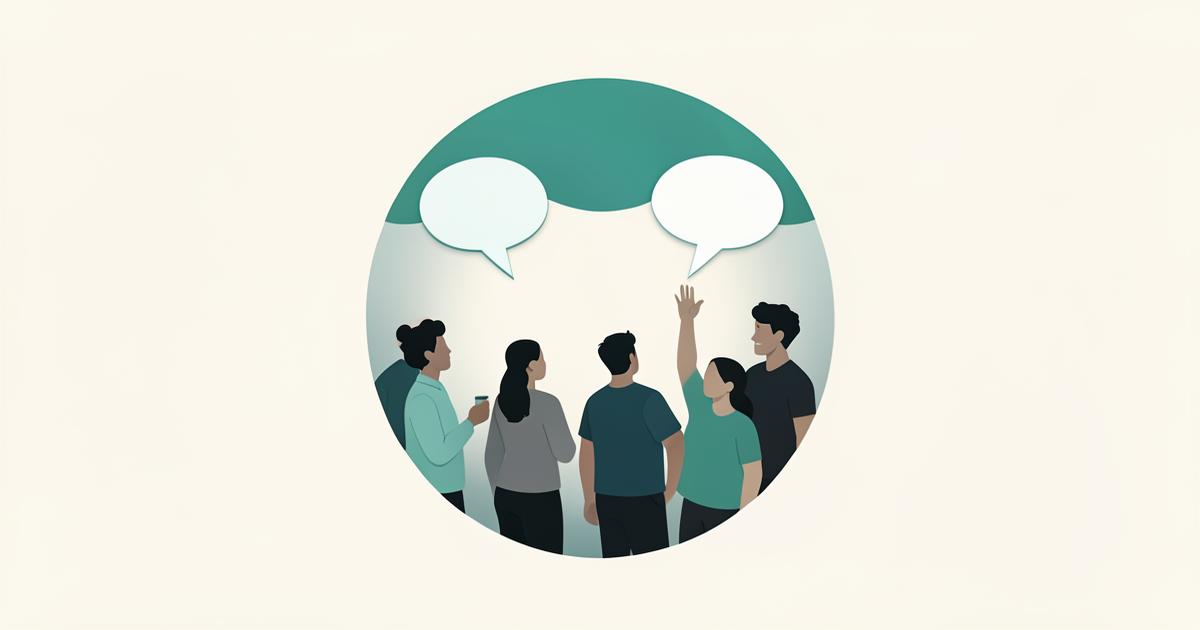
Psychological safety has a branding problem. It sounds like a trust-fall exercise at an offsite. The truth is more useful: it's the belief that you can speak up — with a question, a mistake, a half-formed idea — without being punished or embarrassed. Google's Project Aristotle found it was the single biggest predictor of team effectiveness. Not talent. Not compensation. Safety.
Why It Matters to Your Bottom Line
Teams with high psychological safety report errors faster, share ideas earlier, and flag burnout before it becomes a resignation letter. Teams without it get silence — and silence is expensive. You find out about problems in exit interviews instead of one-on-ones. If that sounds familiar, our post on building a speak-up culture digs into the pattern.
What Psychological Safety Actually Looks Like (and Doesn't)
It's not "everyone is nice all the time." It's not lowered standards. It's an environment where a junior employee can tell a senior leader "I think we're wrong about this" — and the response is curiosity, not consequences.
Five Manager Behaviors That Build It
1. Admit your own mistakes first
Nothing licenses honesty like a leader saying "I got this wrong, here's what I learned." It's not weakness; it's permission.
2. Ask questions you don't know the answer to
"What are we missing?" and "What would make this fail?" signal that dissent is wanted, not tolerated.
3. Respond to bad news with gratitude before solutions
The first words out of your mouth when someone raises a problem determine whether you ever hear the next one early. Try: "Thanks for telling me." Then problem-solve.
4. Kill the meeting-after-the-meeting
If real opinions only surface in hallway whispers, your meetings are theater. Invite the quiet voices in directly: "Sam, you've been closest to this — what do you see?"
5. Separate the person from the problem
"The forecast was off" invites analysis. "You got the forecast wrong" invites defensiveness. Same facts, wildly different safety outcomes.
How to Measure It
You can't improve what you can't see. Short, anonymous pulse questions — "I feel safe raising concerns," "Mistakes are treated as learning here" — tracked over time give you a real trend line. This is built into how SoulSync approaches psychological safety: continuous, anonymous, and tied to action. Our mental health-first culture guide connects the dots to the broader culture work.
The Uncomfortable Truth
Psychological safety is built in moments — mostly small, mostly by managers, mostly when bad news arrives. You can't mandate it in a handbook. You can only practice it, visibly, until your team believes it's real.
Frequently Asked Questions
What is psychological safety at work?
It's the shared belief that it's safe to take interpersonal risks — asking questions, admitting mistakes, or disagreeing — without fear of embarrassment or punishment. It's the top predictor of team effectiveness in Google's Project Aristotle research.
How do you build psychological safety on a team?
Through repeated manager behaviors: admitting your own mistakes, inviting dissent explicitly, thanking people for bad news, drawing out quiet voices, and separating people from problems. Consistency over months — not a one-off workshop — is what makes it stick.
Can psychological safety be measured?
Yes, with short anonymous pulse surveys tracking statements like "I feel safe raising concerns" over time. Anonymous is essential — people won't report low safety unsafely.
Want to see how safe your teams actually feel? Book a demo and we'll show you how SoulSync measures it — anonymously, continuously, and actionably.
Keep Reading

Get insights like this delivered to your inbox
Join HR leaders and wellness advocates receiving evidence-based workplace mental health insights.