Building a Culture Where Employees Actually Speak Up About Mental Health
July 6, 2026

Key Takeaways
- "We''re an open culture" is a claim. Employees only speak up when they see repeated, low-stakes proof.
- The three levers that unlock disclosure: leadership modeling, manager language patterns, and non-retaliation you can point to.
- You''ll know it''s working when the first-disclosure conversations happen with the manager, not HR.
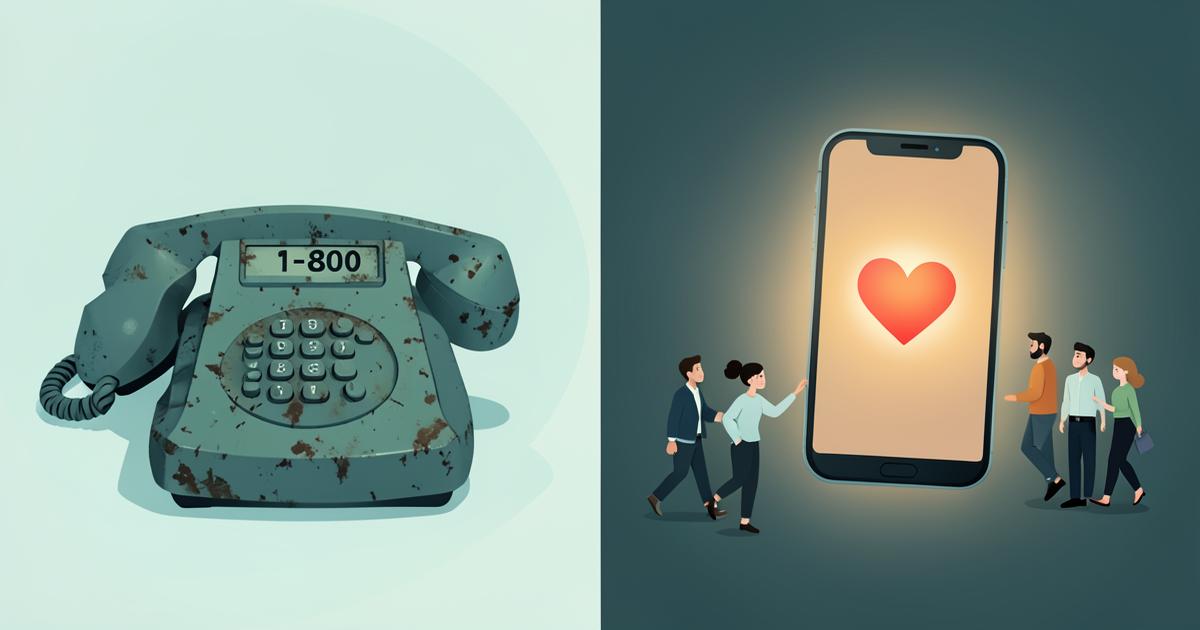
Almost every HR leader I''ve ever spoken to has said some version of "we want people to feel comfortable coming to us." And almost every employee has said some version of "I''d never actually tell HR I''m struggling."
The gap between those two sentences is where retention leaks. Let''s close it.
Why Employees Don''t Speak Up
It''s not that they don''t trust you personally. It''s that they''re running the math:
- "Will this show up in my performance review?"
- "Will my manager treat me differently on the next big project?"
- "Am I signaling I can''t handle my job?"
Until the answers to those questions are visibly, repeatedly "no," people will stay quiet — and you''ll keep discovering their struggle when they hand in a resignation instead of when you can help. More on this in why employees don''t use traditional EAPs.
The 3 Levers That Actually Unlock Disclosure
1. Leadership Modeling (Not Just Endorsement)
A CEO who says "mental health matters" changes nothing. A CEO who says "I took Thursday off because I was fried and needed to reset" changes everything. Modeling is the price of admission — and it has to come from more than one voice.
2. Manager Language Patterns
Train managers on specific phrases, not general empathy:
- "How are you actually doing, beyond the work?" (opens the door)
- "That sounds really heavy. Thank you for telling me." (validates without fixing)
- "What would make the next two weeks feel more sustainable?" (offers agency, not solutions)
Give them the words. Otherwise, they default to problem-solving, which shuts the conversation down. Full breakdown in our manager''s guide to mental health conversations.
3. Non-Retaliation You Can Point To
Every team has stories that circulate — good and bad. If someone once took a mental health leave and came back to reduced scope or a reorg''d role, everyone knows. The reverse is also true. When a person takes real time off, comes back to the same trajectory, and gets promoted six months later — that story does more for your culture than any policy PDF.
The Rituals That Reinforce It
Start Meetings With a Real Check-In
Not "how''s everyone?" (which gets "good, you?"). Try "one word for how this week is going." It takes 90 seconds and gives you real signal.
Normalize Recovery Language in All-Hands
When a leader says "I''m off next week — really off, no Slack," they''re building the culture. When they say "I''ll be around" during PTO, they''re dismantling it.
Report on Support Utilization Without Names
Quarterly, share "X% of the team engaged with wellness resources this quarter." Not to shame, to normalize. It quietly tells everyone "you''re not alone if you''re using this." Related: psychological safety checklist for SMB leaders.
How You''ll Know It''s Working
The clearest sign isn''t survey scores. It''s where the first disclosure lands. In a healthy culture, employees tell their manager first — not HR, not a therapist they found on their own three months later. When that starts happening, you''ve built something real.
Frequently Asked Questions
Isn''t this just psychological safety by another name?
It''s a specific application of it. Psychological safety is the ability to speak up about anything without punishment. Mental health disclosure is one of the hardest tests of that — because the stakes feel personal and career-adjacent at the same time.
What if we''re a small team and everyone knows everything anyway?
Small teams have less anonymity, which raises the disclosure bar, not lowers it. Invest more in explicit non-retaliation stories and less in formal reporting channels.
Should HR be the first point of contact for mental health conversations?
No. HR should be the safety net, not the front line. The front line is the direct manager, trained and equipped. HR steps in when the situation calls for accommodation, leave, or resources beyond what a manager can hold. See our approach to building a mental health-first workplace culture.
Give your managers the language and the tools.
SoulSync equips managers to have the conversations that actually shift culture — with therapist-designed prompts, real-time support, and proactive signals.
Keep Reading

Get insights like this delivered to your inbox
Join HR leaders and wellness advocates receiving evidence-based workplace mental health insights.