Why Traditional EAPs Fail Small Businesses in 2026
April 10, 2026
Here's what nobody tells you about Employee Assistance Programs: they were designed for companies with thousands of employees, massive HR departments, and budgets that don't blink at a per-employee-per-month fee for a service almost nobody uses.
If you're running a small business — say, 15 to 200 employees — the traditional EAP model wasn't built for you. And in 2026, that gap is wider than ever.
Key Takeaways
- Traditional EAP utilization rates hover around 3–5%, meaning 95% of your investment goes unused
- Small businesses face unique barriers — limited HR bandwidth, tighter budgets, and cultures where "everyone knows everyone"
- Reactive, crisis-only models miss the everyday stressors that drive turnover and burnout
- Modern, proactive alternatives deliver measurable ROI through prevention, not just intervention
The Utilization Problem Nobody Wants to Talk About
Let's start with the number that should make every small business owner pause: 3–5%. That's the average utilization rate for traditional EAPs across the U.S. — and it's been stuck there for over a decade.
Think about that for a second. You're paying for a benefit that 95 out of 100 employees never touch. In a company of 50 people, that means maybe two or three employees pick up the phone all year. Would you keep paying for any other service with that kind of return?
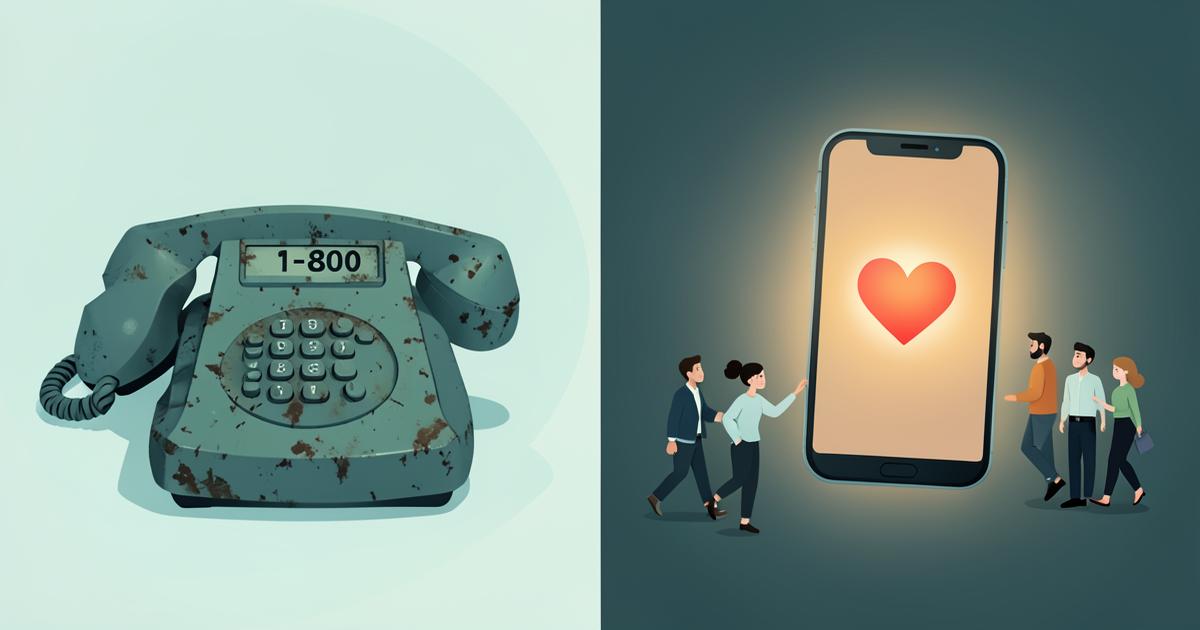
The truth is, most EAPs rely on employees to self-identify a problem, call an 800 number, navigate a phone tree, and then hope the counselor they're matched with actually understands their situation. For a 25-year-old dealing with anxiety at a 30-person marketing agency? That process feels about as inviting as a trip to the DMV.
Why Small Businesses Get the Worst Deal
Large enterprises can absorb a low-performing EAP because it's a line item in a benefits package the size of a small novel. Small businesses don't have that luxury. Every dollar in the benefits budget has to pull its weight.
Here's where it gets particularly frustrating for smaller teams:
1. You Don't Have an HR Department to Promote It
In a company of 40 people, "HR" might be the office manager who also handles payroll, onboarding, and ordering lunch for the monthly all-hands. Nobody's running an internal marketing campaign to remind employees the EAP exists. The brochure goes up on the break room wall, and that's about it.
2. The Stigma Hits Harder in Small Teams
In a 2,000-person company, calling the EAP feels relatively anonymous. In a 20-person company? People worry. Will my manager find out? Will it change how people see me? The smaller the team, the bigger the perceived risk of asking for help — even when the service is technically confidential.
3. Cookie-Cutter Programs Ignore Your Culture
Traditional EAPs offer the same generic webinars and pamphlets whether you're a tech startup in Milwaukee or a manufacturing floor in Green Bay. They don't know your team dynamics, your industry pressures, or the specific stressors your people face. And they definitely aren't adapting to what's actually happening in your workplace in real time.
The Reactive Model Is the Real Problem
Here's what's fundamentally broken: traditional EAPs are designed to respond after someone is already in crisis. An employee calls when they're already overwhelmed, already burned out, already thinking about quitting.
That's like having a fire department but no smoke detectors.
For small businesses, where losing even one key employee can disrupt an entire team, waiting for a crisis isn't a strategy — it's a liability. The cost of replacing an employee runs 1.5 to 2 times their annual salary. For a small business, that math is existential.
What small businesses actually need is a proactive model — one that identifies stress patterns early, builds resilience before burnout hits, and creates a culture where mental health isn't a crisis response but an ongoing conversation.
What 2026 Demands Instead
The workplace has changed dramatically, and the wellness solutions supporting it need to catch up. Remote and hybrid work isn't going away. Gen Z employees expect mental health support as a baseline, not a perk. And burnout isn't just a buzzword — it's the leading driver of voluntary turnover in small and midsize companies.
Here's what a modern approach looks like:
Prevention Over Intervention
Instead of waiting for employees to hit bottom, effective programs use data-informed check-ins, manager training, and team-level insights to catch warning signs early. Think of it as wellness intelligence — not just a crisis hotline.
Flexibility That Fits Your Size
Small businesses need solutions that scale with them, not enterprise contracts with minimums they'll never meet. The right partner works with your budget and your team size — whether that's 12 people or 120.
Integration With Your Culture
The most effective wellness programs don't feel like an add-on. They're woven into how your team already works — through manager conversations, engagement check-ins, and resources that meet people where they are, not where a vendor thinks they should be.
Measurable Outcomes
You should be able to see what's working. Not vanity metrics like "number of sessions offered," but real outcomes: engagement trends, retention rates, team wellbeing scores over time. If your current provider can't show you the impact, that tells you everything you need to know.
The Bottom Line for Small Businesses
Traditional EAPs aren't evil — they're just outdated. They were built for a different era, a different workforce, and a different kind of company. If you're a small business leader who's been quietly wondering why your EAP feels like checking a compliance box rather than actually helping your people, you're not wrong.
The good news? You have options now that didn't exist five years ago. Solutions built specifically for small and midsize teams, designed around prevention instead of reaction, and priced in a way that doesn't require a Fortune 500 budget.
Your people deserve better than a 1-800 number and a pamphlet. And your business deserves a wellness investment that actually shows up in your retention numbers.
Ready to Move Beyond the Traditional EAP?
Looking for a proactive EAP alternative for your team? Book a SoulSync demo and see what workplace wellness looks like when it's built for companies like yours.
Keep Reading
Get insights like this delivered to your inbox
Join HR leaders and wellness advocates receiving evidence-based workplace mental health insights.