Signs of Workplace Burnout (and What Employers Can Do About It)
March 10, 2026
What Is Workplace Burnout?
Workplace burnout is a state of chronic physical and emotional exhaustion caused by prolonged, unmanaged stress at work. Unlike ordinary tiredness, burnout doesn't resolve with a weekend off — it builds over weeks and months until it fundamentally changes how an employee feels about their job.
The World Health Organization classifies burnout as an occupational phenomenon, not just a personal failing. This is one reason mental health benefits need to be rethought. That distinction matters: it means employers share responsibility for preventing it.
The Warning Signs of Burnout
Burnout rarely appears overnight. It develops gradually, and the early signs are easy to miss — especially in high-performing employees who push through discomfort.
Emotional Signs
- Feeling drained or emotionally depleted before the workday even begins
- Increasing cynicism or detachment from work
- Loss of purpose or meaning in daily tasks
- Heightened irritability with colleagues or clients
Physical Signs
- Chronic fatigue that doesn't improve with rest
- Frequent headaches, muscle tension, or stomach issues
- Changes in sleep patterns — either insomnia or oversleeping
- Weakened immune system and frequent illness
Behavioral Signs
- Declining productivity despite working longer hours
- Withdrawal from team activities and social interactions
- Increased absenteeism or presenteeism (being present but disengaged)
- Difficulty concentrating or making decisions
Why Burnout Is an Organizational Problem
It's tempting to view burnout as an individual's inability to manage stress. But research consistently shows that burnout is driven more by workplace conditions than personal resilience.
Common organizational drivers include:
- Unmanageable workloads with no clear prioritization
- Lack of autonomy or control over how work gets done
- Insufficient recognition or reward
- Poor communication from leadership
- Toxic or unsupportive workplace culture
- Blurred boundaries between work and personal life
When these conditions persist, even the most resilient employees will eventually burn out.
The Business Cost of Ignoring Burnout
Burnout isn't just a wellness issue — it's a financial one. Organizations with high burnout rates typically experience:
- 63% higher likelihood of employees taking sick days
- 2.6x greater chance employees actively seek a new job
- Significant increases in healthcare and disability claims
- Reduced team performance and innovation
Replacing a burned-out employee costs between 50–200% of their annual salary when you factor in recruiting, onboarding, and lost productivity.
What Employers Can Do About It
1. Normalize Conversations About Mental Health
Create an environment where employees feel safe discussing stress and overwhelm without fear of judgment. Leadership should model this openness by sharing their own wellness practices.
2. Provide Proactive Wellness Tools
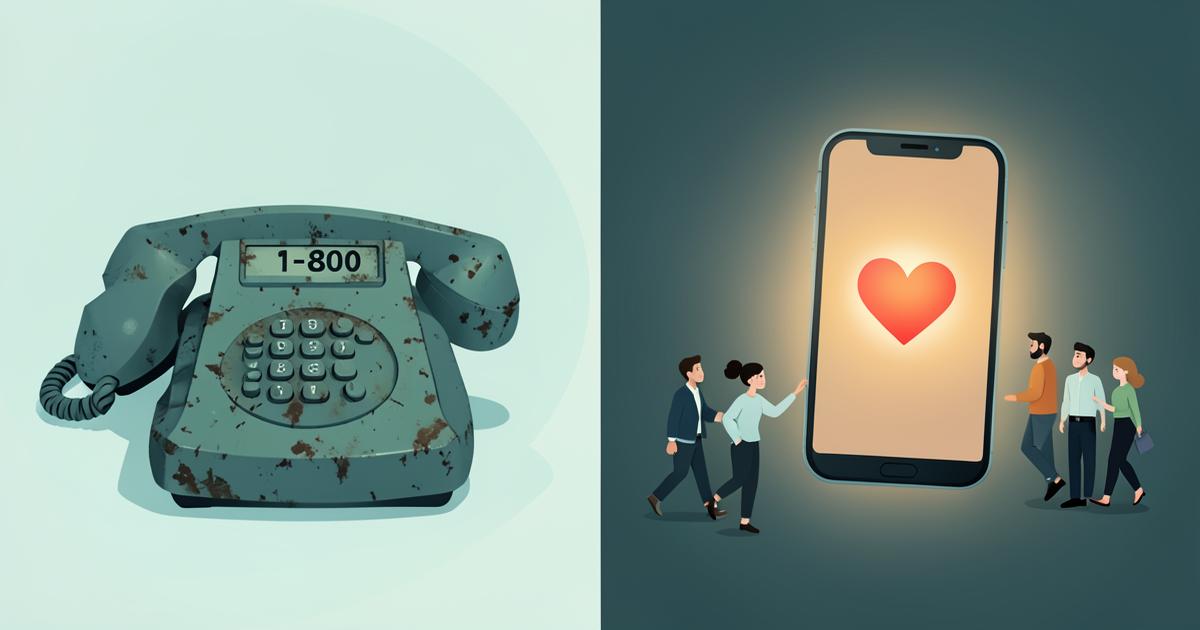
Don't wait for employees to reach crisis before offering support. Platforms like SoulSync give employees daily access to stress regulation tools, emotional check-ins, and mental health resources — before burnout takes hold.
3. Audit Workloads Regularly
Meet with teams to assess whether workloads are sustainable. If employees consistently work beyond capacity, it's a systems problem — not a time-management problem.
4. Train Managers to Spot Early Signs
Front-line managers are often the first to notice behavioral changes. Equip them with the knowledge to recognize burnout signals and have supportive conversations.
5. Protect Boundaries
Encourage employees to disconnect after hours. Avoid rewarding "always-on" culture and instead celebrate sustainable productivity.
Moving From Reactive to Proactive
Most organizations only address burnout after it's already causing damage. The shift toward proactive wellness — supporting employees before they reach their breaking point — is the most effective strategy for reducing burnout and building resilient teams.
Modern wellness platforms make this possible by giving employees the tools to manage stress in real time, every day.
Keep Reading

Get insights like this delivered to your inbox
Join HR leaders and wellness advocates receiving evidence-based workplace mental health insights.