The Hidden Cost of Presenteeism: Why Showing Up Isn't Enough
March 19, 2026
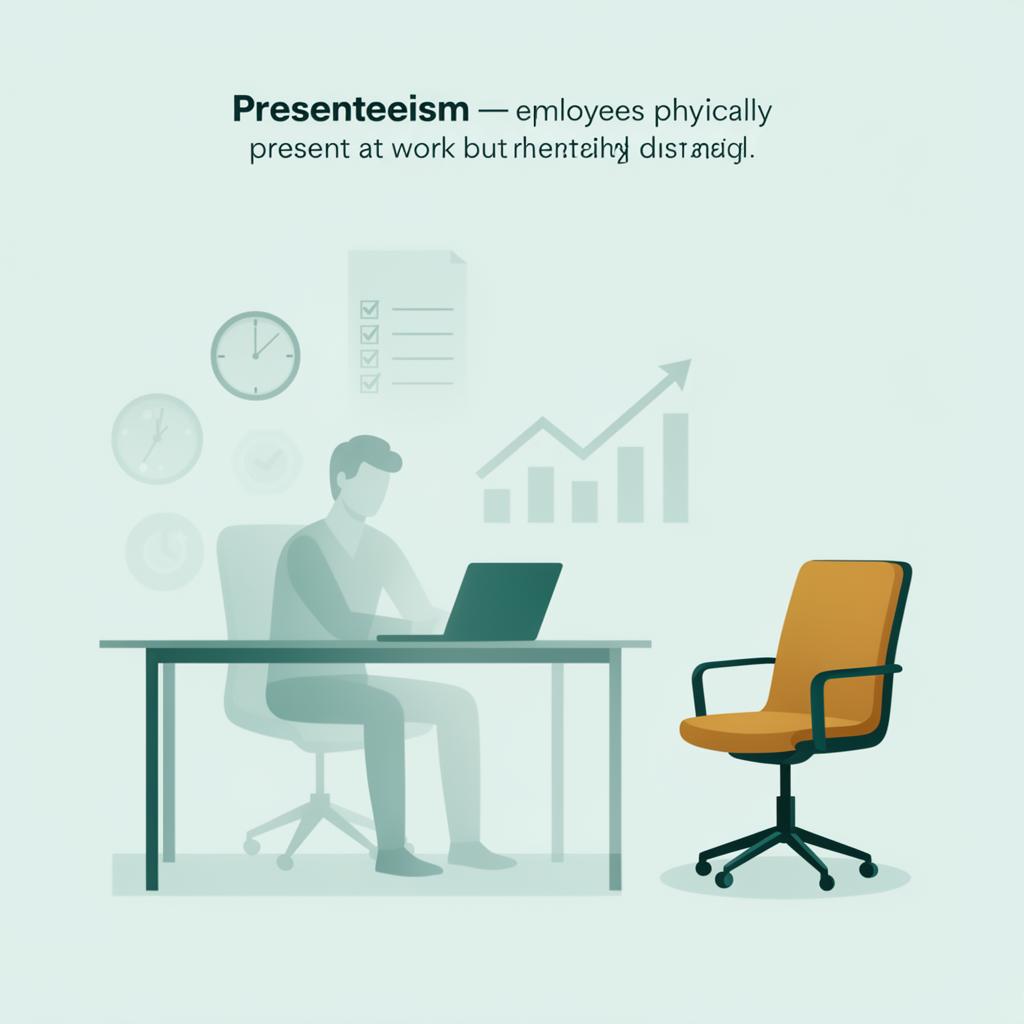
Every morning, millions of employees drag themselves to their desks — physically present but mentally checked out. They answer emails, attend meetings, and clock their hours. But the work they produce is a shadow of what they're capable of. This phenomenon has a name: presenteeism. And it's quietly draining your organization of productivity, innovation, and profit.
What Is Presenteeism?
Presenteeism occurs when employees come to work despite physical illness, mental health struggles, or chronic stress that significantly impairs their ability to perform. Unlike absenteeism — which is visible and trackable — presenteeism hides in plain sight. The employee is there, but they're not fully functioning.
Common drivers include:
- Anxiety, depression, or burnout
- Chronic pain or unmanaged health conditions
- Fear of job loss or being perceived as "weak"
- Workplace cultures that reward hours over outcomes
- Lack of mental health support or flexible leave policies
The Staggering Financial Impact
Here's what makes presenteeism so dangerous: it costs far more than absenteeism. According to research from the Harvard Business Review, presenteeism accounts for roughly $150 billion in lost productivity annually in the U.S. alone — nearly 10x the cost of absenteeism.
A landmark study in the Journal of Occupational and Environmental Medicine found that presenteeism-related productivity loss can account for 60–80% of total employer health costs, dwarfing medical and pharmacy expenses combined.
Consider these numbers:
| Metric | Absenteeism | Presenteeism |
|---|---|---|
| Annual U.S. employer cost | ~$16.6B | ~$150B+ |
| Visibility | High (tracked) | Low (hidden) |
| Average productivity loss per employee | 3–5 days/year | 20–30+ days/year equivalent |
Why Traditional EAPs Miss the Mark
Most Employee Assistance Programs were designed for crisis intervention — substance abuse, acute mental health episodes, or legal issues. They were never built to address the chronic, low-grade struggles that fuel presenteeism.
The data backs this up: EAP utilization rates hover between 3–5% industry-wide. That means 95% of your workforce isn't engaging with the only mental health resource you've provided. Meanwhile, presenteeism thrives in the gap between "I'm fine" and "I need help."
Read more: EAP vs. Wellness Platform — What's the Real Difference?
5 Warning Signs of Presenteeism in Your Organization
Presenteeism doesn't announce itself. But these patterns should raise red flags:
- Declining output quality — Deliverables that used to be sharp now require multiple revisions.
- Increased errors and safety incidents — Cognitive fatigue leads to mistakes, especially in detail-oriented or physical roles.
- Disengagement in meetings — Employees who were once vocal contributors become silent participants.
- Rising healthcare claims with stable attendance — If your team isn't missing work but health costs are climbing, presenteeism is likely the culprit.
- Manager feedback loops — Supervisors report that team members "just aren't themselves" but can't pinpoint a specific performance issue.
How to Measure Presenteeism
You can't manage what you can't measure. Here are three proven approaches:
1. The Stanford Presenteeism Scale (SPS-6)
A validated 6-item self-report survey that measures the degree to which health problems affect work performance. It's quick, anonymous, and provides a baseline you can track over time.
2. Productivity Proxy Metrics
Track indirect signals like:
- Project completion rates vs. deadlines
- Error rates and rework frequency
- Customer satisfaction scores by team
- Time-to-resolution for support tickets or tasks
3. Pulse Surveys with Wellness Questions
Embed 2–3 wellness-related questions into your existing engagement surveys: "In the past two weeks, how often have health issues affected your ability to concentrate at work?"
Related: How to Measure Employee Wellness ROI
A Proactive Framework for Reducing Presenteeism
Addressing presenteeism requires a culture shift, not just a program launch. Here's a four-pillar approach:
Pillar 1: Normalize Mental Health Conversations
Train managers to recognize signs of struggle and respond with empathy, not performance reviews. Create psychological safety so employees feel comfortable saying "I'm not at my best today" without fear of consequences.
Pillar 2: Provide Always-On, Low-Barrier Support
Replace reactive crisis hotlines with proactive, daily-use wellness tools. Employees should be able to access support before they reach a breaking point — through coaching, mindfulness resources, peer support, and self-guided programs.
Pillar 3: Redesign Work Around Outcomes
Shift from measuring hours to measuring impact. Flexible schedules, mental health days, and asynchronous work options give employees permission to recharge without stigma.
Pillar 4: Track, Iterate, Improve
Use the measurement tools above to establish a baseline, then track improvements quarterly. Connect wellness program engagement data with productivity metrics to demonstrate ROI to leadership.
See also: Employee Burnout Statistics Every HR Leader Needs to Know
The Bottom Line
Presenteeism is the silent productivity killer hiding in your organization. It doesn't show up on attendance reports. It doesn't trigger HR alerts. But it's costing you more than absenteeism, turnover, and healthcare claims combined.
The organizations that will thrive in 2026 and beyond aren't just tracking who shows up — they're ensuring that the people who show up can actually perform at their best. That requires moving beyond outdated EAPs and investing in proactive, whole-person wellness.
Looking for a Proactive EAP Alternative for Your Team?
SoulSync helps growing companies replace underperforming EAPs with a modern wellness platform that employees actually use. From daily mental health check-ins to manager training and real-time engagement analytics, we help you catch presenteeism before it drains your bottom line.
Keep Reading



Get insights like this delivered to your inbox
Join HR leaders and wellness advocates receiving evidence-based workplace mental health insights.