Employee Engagement Ideas for HR: 9 That Don't Involve Pizza
September 5, 2026
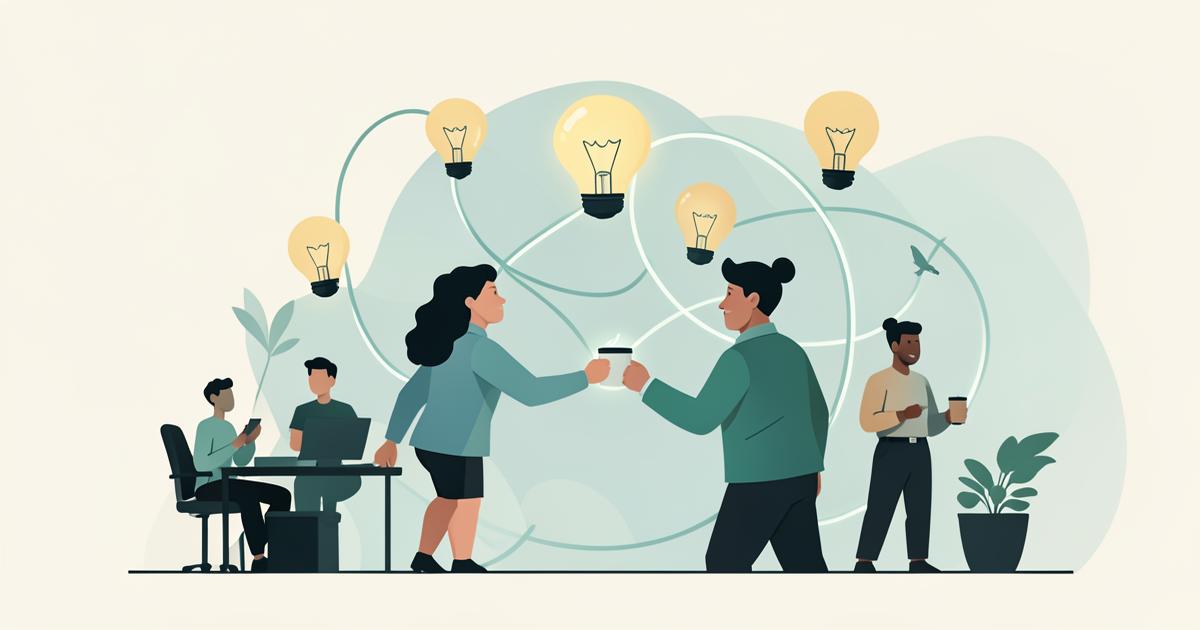
Here's what nobody tells you about employee engagement ideas: the ones that go viral on LinkedIn (pizza Fridays, branded water bottles, ping-pong tables) barely move the number that matters. Gallup has tracked engagement for decades, and the drivers are boringly consistent — people want to feel seen, supported, and safe. Here are nine ideas that actually do that, sized for real HR teams at real companies.
Start With Why Engagement Drops
Engagement rarely collapses because of one big thing. It erodes through small signals: a manager who cancels one-on-ones, a survey that goes nowhere, a high performer quietly going quiet. (We wrote about that pattern in why your top performers are quiet quitting.) The best engagement ideas work because they repair those signals — not because they're fun.
9 Engagement Ideas That Actually Work
1. Weekly micro check-ins (5 minutes, not 50)
A short, private weekly pulse — energy level, stress, workload — beats the annual survey every time. You get trend lines instead of autopsies, and employees get proof someone's paying attention.
2. Train managers to have real conversations
Managers are your engagement delivery system. Give them conversation guides and mental-health literacy, not just dashboards. Our manager's guide to mental health conversations is a good starting point.
3. Close the loop on feedback — visibly
Nothing kills engagement faster than a suggestion box that eats suggestions. Publish "you said → we did" updates quarterly. Even a "we can't do this, and here's why" builds trust.
4. Make wellbeing a benefit people actually use
Support that reaches employees proactively — check-ins, nudges, easy access to real help — outperforms any perk. This is the core of what we build at SoulSync, and it's why HR leaders come to us when engagement stalls.
5. Recognition that's specific and peer-driven
"Great job, team" is wallpaper. A system where peers name specific contributions — weekly, publicly, briefly — builds belonging without budget.
6. Flexibility where it's actually possible
You don't need to go fully remote. Meeting-free afternoons, flexible start times, or summer hours signal trust — and trust is engagement's raw material.
7. Onboarding that treats the first 90 days as fragile
Engagement starts (or dies) early. Structured check-ins at day 7, 30, and 90 catch disengagement while it's still cheap to fix. More on that in our onboarding and retention post.
8. Growth conversations twice a year
Not performance reviews — growth conversations. "Where do you want to be in two years, and what can we do to help?" People stay where they're growing.
9. Measure what matters, monthly
Track participation, eNPS trends, and burnout risk together. Engagement you can't measure becomes engagement you can't defend at budget time.
The Pattern Underneath All Nine
Every idea here does one of three things: makes people feel seen, makes them feel safe, or shows them a future. That's not soft — that's retention strategy with a human face.
Frequently Asked Questions
What are the most effective employee engagement ideas for HR teams?
The most effective ideas are consistent and low-friction: weekly micro check-ins, manager training, closing the loop on feedback, and proactive wellbeing support. Sustained small signals beat occasional big gestures.
How do you improve employee engagement on a small budget?
Focus on manager conversations, specific peer recognition, and flexibility — all nearly free. Then invest in one proactive wellbeing platform instead of scattering budget across perks that fade.
How quickly can engagement improve?
Teams typically see early movement in participation and pulse scores within 4–8 weeks when check-ins and feedback loops start. Deeper shifts in retention and culture take two to three quarters of consistency.
Want engagement you can actually measure? Book a demo and we'll show you what proactive support looks like for a team your size.
Keep Reading

Get insights like this delivered to your inbox
Join HR leaders and wellness advocates receiving evidence-based workplace mental health insights.